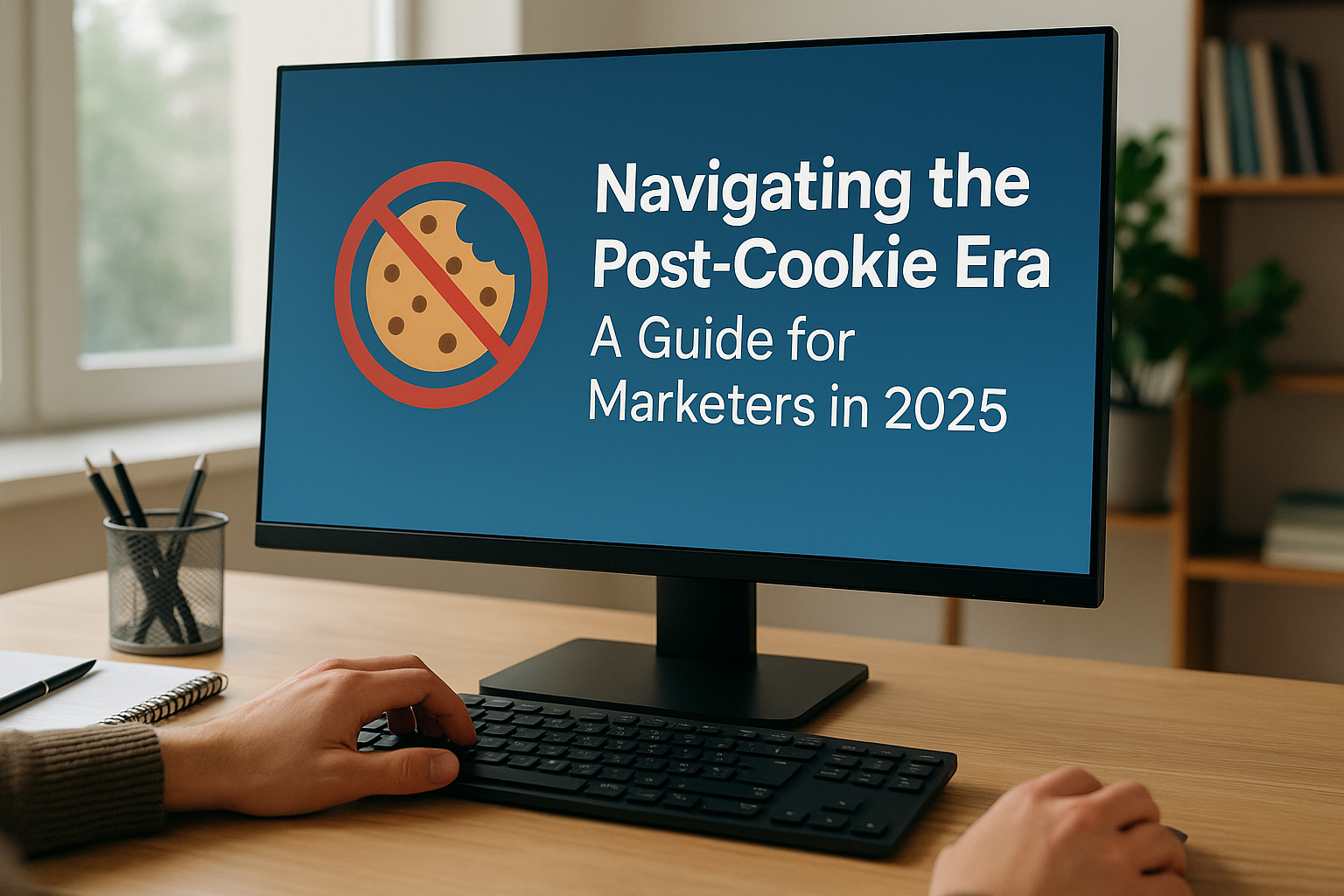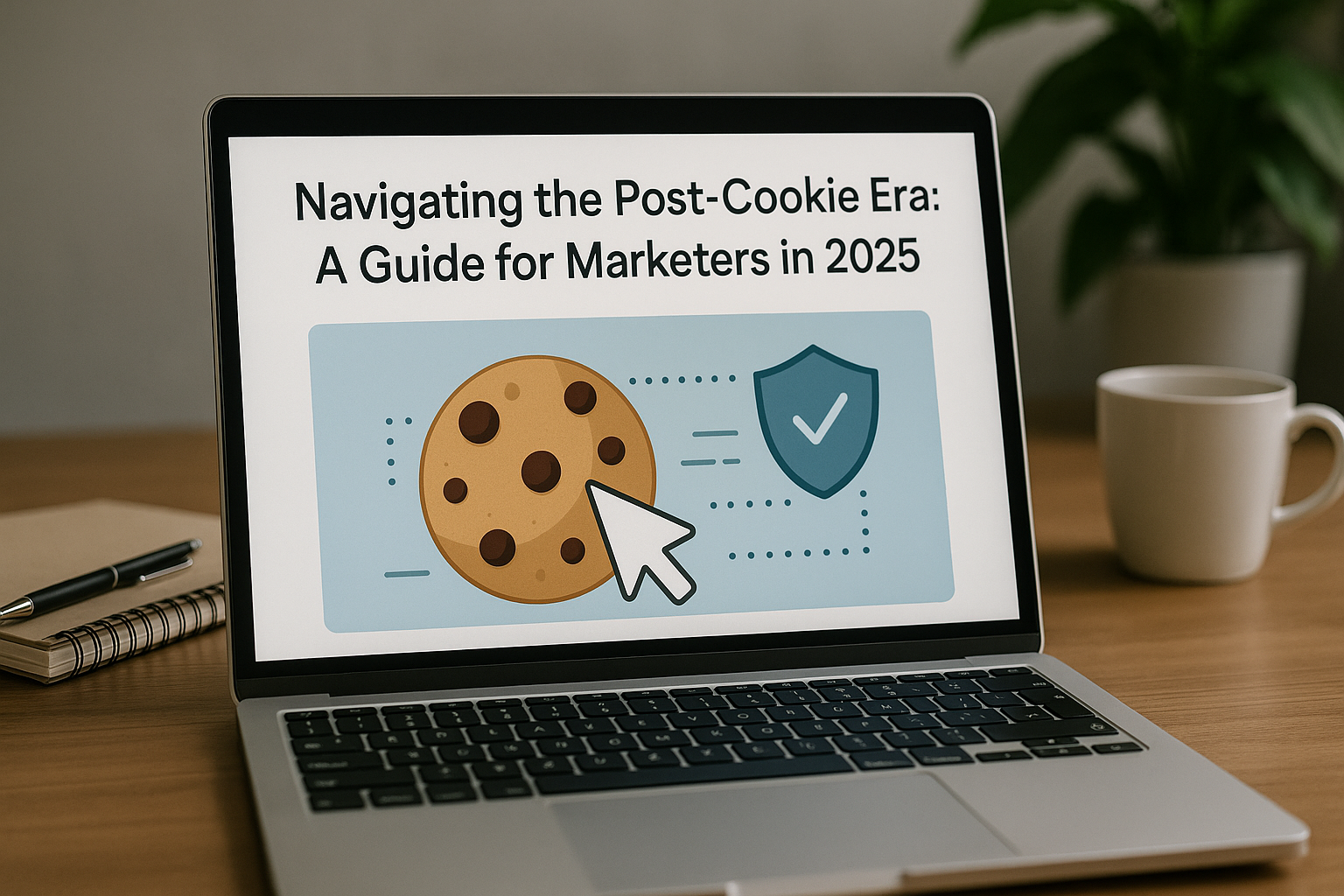
The Death of Third-Party Cookies: What Marketers Need to Do in 2025
The digital marketing landscape has undergone seismic shifts, with third-party cookies becoming virtually obsolete by 2025. This change affects how marketers track user behavior, target ads, and measure campaign performance. As a result, adapting to a world without third-party cookies is crucial for staying competitive. Here’s what marketers need to focus on in the post-cookie era.
1. Embrace First-Party Data
Collect Strategically:Shift your strategy towards collecting first-party data directly from your customers. This can be done through sign-up forms, subscriptions, and other interactions that customers have directly with your brand. Prioritize transparency and trust, making sure customers understand what data is being collected and how it will be used.
Utilize CRM Systems:Enhance your Customer Relationship Management (CRM) systems to better organize, analyze, and leverage the data you collect. This could involve more sophisticated segmentation, personalized marketing strategies, and improved customer experience through direct interactions.
2. Invest in Contextual Advertising
Focus on Relevance:Without the granularity of third-party cookies, contextual advertising can make your campaigns more relevant. This approach involves placing your ads on websites that align with the content your audience is already interested in. For example, advertising a cooking gadget on a recipe blog.
Improve Content Alignment:Develop ads that seamlessly integrate with the content of the host website. Not only does this enhance user experience, but it also increases the likelihood of engagement by presenting ads that feel less intrusive and more natural.
3. Leverage Privacy-Friendly Tracking Alternatives
Explore Privacy Sandboxes:Technologies like Google’s Privacy Sandbox aim to allow personalized marketing while respecting user privacy. They use aggregation, anonymization, and on-device processing to keep user data private.
Consider Universal IDs:These are alternatives to cookies that use non-personal data points to track user behavior. They require opt-in from users, thus aligning with tighter privacy regulations while still providing valuable data for marketers.
4. Enhance Customer Experience
Personalize Interactions:Use your first-party data to tailor experiences and build deeper relationships with customers. Personalization isn’t just about product recommendations; it’s also about tailoring the communication styles, content, and timing to match customer preferences.
Focus on Customer Service:High-quality customer service often leads to more customer data being voluntarily shared. Ensuring that your support teams are responsive and helpful encourages trust and data-sharing consent from customers.
5. Prepare for More Changes
Stay Informed:The digital marketing environment is continuously evolving. Regularly update yourself with the latest developments in legislation, technology, and consumer behavior trends.
Adapt Quickly:Be ready to pivot your strategies as new information and technologies become available. Agility in your operations and marketing strategies is more crucial than ever.
Summary
As the digital landscape evolves, marketers face the challenge of phasing out third-party cookies by 2025 with resilience and adaptiveness. By emphasizing first-party data collection, exploring privacy-friendly alternatives, investing in contextual advertising, and focusing on personalized customer experiences, marketers can navigate these changes successfully. As always, staying informed and adaptable is key to turning challenges into opportunities.
If you're ready to adjust your digital marketing strategies for the cookie-less future, consider consulting with a digital marketing expert to tailor a strategy that suits your business's unique needs.